Torque and structural loads matter
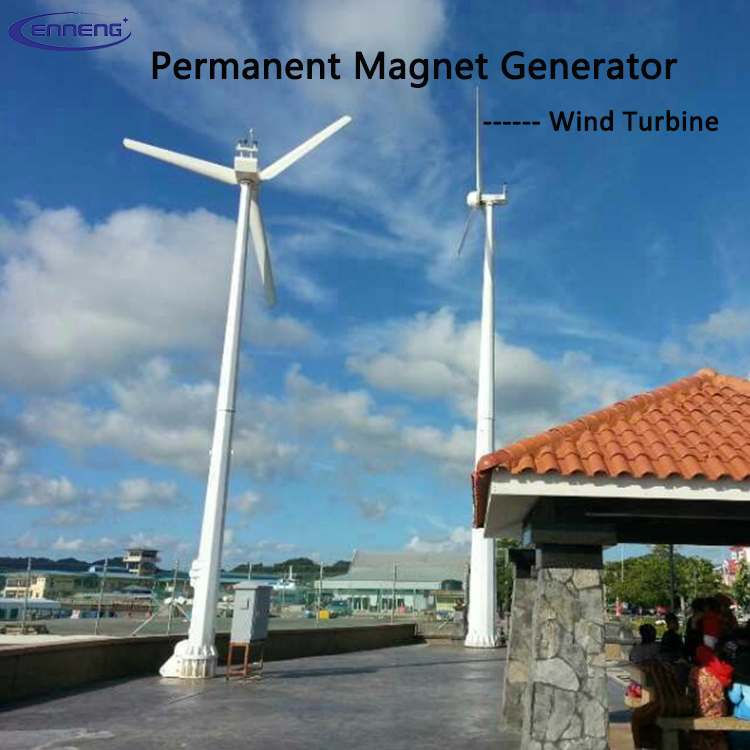
Generator torque follows power divided by angular speed, so lower-speed machines can require substantial torque and larger structural interfaces. The shaft, rotor, bearings, housing, base and coupling must withstand steady torque, transient events and overspeed. In direct-drive wind or hydro arrangements, the generator may also interact with large external bearings or flexible structures.
Provide the mounting concept, shaft and coupling drawing, external radial and axial loads, allowable mass and envelope, vibration environment and balancing requirement. Identify which party supplies bearings and structural supports. A generator that meets electrical output requirements can still be unusable if the mechanical interface or rotor dynamics are not compatible with the prime mover.
Thermal design follows the duty profile
Copper, core, magnet, bearing and power-electronic temperatures influence generator capability and life. Cooling may rely on natural air, forced air, liquid or another project-specific arrangement. The correct choice depends on loss distribution, enclosure, ambient conditions, altitude, contamination and available auxiliary power. Intermittent peaks and sustained part-load operation should be included in the thermal cycle.
Share ambient temperature range, humidity, dust, salt exposure and whether the generator operates indoors, outdoors or offshore. State cooling-fluid conditions when liquid cooling is considered. Temperature sensors and protection logic should be planned with the machine and converter. A rated output should always be read with its cooling and environmental conditions.
Cogging, starting and low-speed behavior
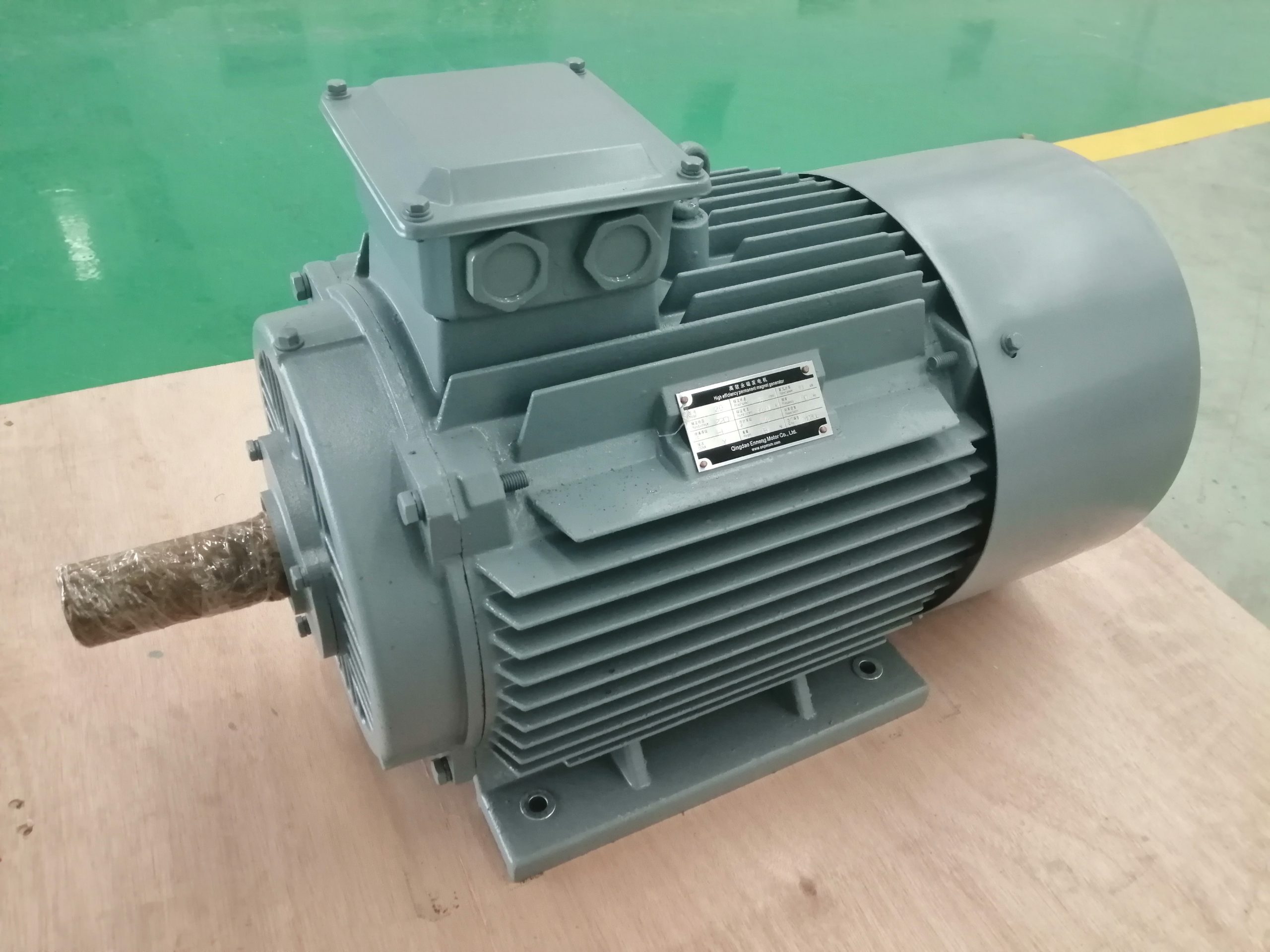
Permanent magnet machines can exhibit cogging torque due to the interaction between rotor magnets and stator slotting. NREL research on advanced PM generator topologies identifies cogging torque as a design concern because it can affect self-start behavior, noise and performance in small wind systems. The importance of cogging depends on the prime mover, inertia, starting torque and control architecture.
If self-starting at low input torque matters, provide the prime-mover torque-speed curve and minimum useful speed. If the generator is driven by an engine or controlled turbine with ample starting torque, priorities may differ. Describe permissible torque ripple, noise and vibration so these factors can be evaluated against the actual application rather than treated as universal pass-fail labels.